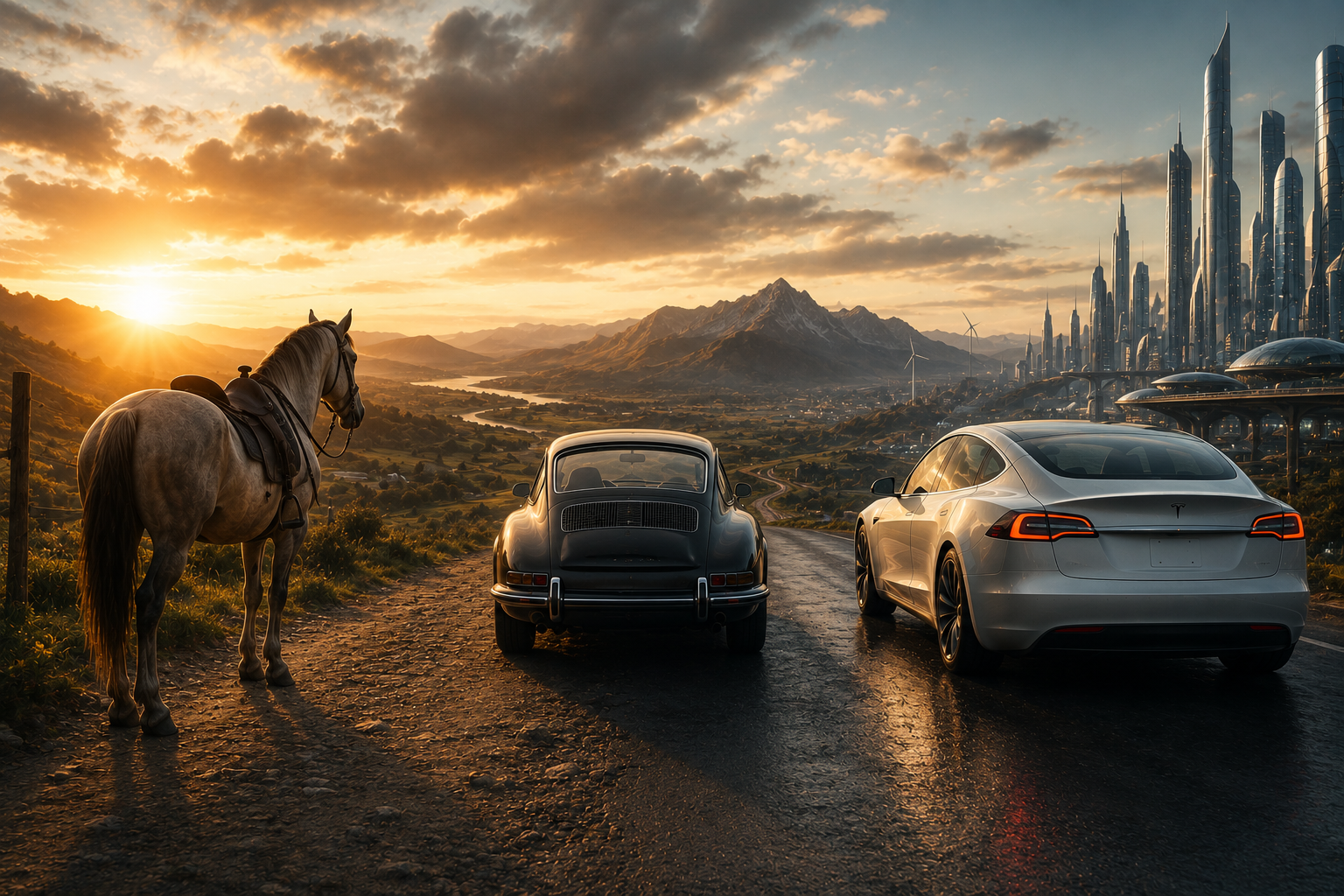
I recently have been thinking about horses.
No, not because I occasionally binge those horse-hoof-trimming videos, although I secretly enjoy them (don't judge me)
This time, it is for a reason much closer to the other thing I enjoy, albeit not so secretly. Automobiles.
Because the more I think about it, the more I realise that horses, cars, EVs and whatever comes next might all be part of the same story.
The story of progress, and what happens to the machines we leave behind.
Think about horses with me, for a second.
There was a time when a horse wasn't something you watched in a video, admired at a racecourse or kept because you loved horses. It was transportation. You needed one to get somewhere.
Then the automobile arrived. It did the same job better, faster and eventually more conveniently. The horses did not disappear. Their "purpose" changed.
See today, you don't buy a horse because you need one to get to work. You buy one because you love horses, or compete, or just appreciate them. Because there is something beautiful about owning and experiencing one.
Essentially horses have progressed from being machines to art pieces.
I think we are beginning to see something remarkably similar happen with cars today. The EVs are increasingly becoming easier, faster and, to some extent, more convenient too, and are set on course to taking the place of regular combustion cars.
Now, I am not saying that EVs are completely replacing combustion cars. But they are on course to doing that, AND, their effects are rubbing off on combustion cars too. Think huge screens and almost hands-free driving, for example.
So, have EVs now progressed to being the new machines and cars the art pieces?
Not yet, because we are amidst the transition. But, is that happening as we speak and the signs are apparent? Absolutely!
Oh, and btw, if you have not realised it yet, my wild theory has already begun and I am hoping you have caught the drift of it!
See here's the thing. A mass-market car has to work for hundreds of thousands of people. It has to be safe, comfortable, reliable, efficient, manufacturable, serviceable and profitable. It has to fit into a platform, share components and work across different markets.
And somewhere in that enormous list of things a car has to be, there is inevitably less room for someone to say: “I know this makes absolutely no sense, but wouldn't it be wonderful?”
Unless, of course, you're only making a hundred of them. And that is exactly what is driving this transition. Nice, numbered, exotic, and most importantly art-first cars.
Here are some signs of that transition.
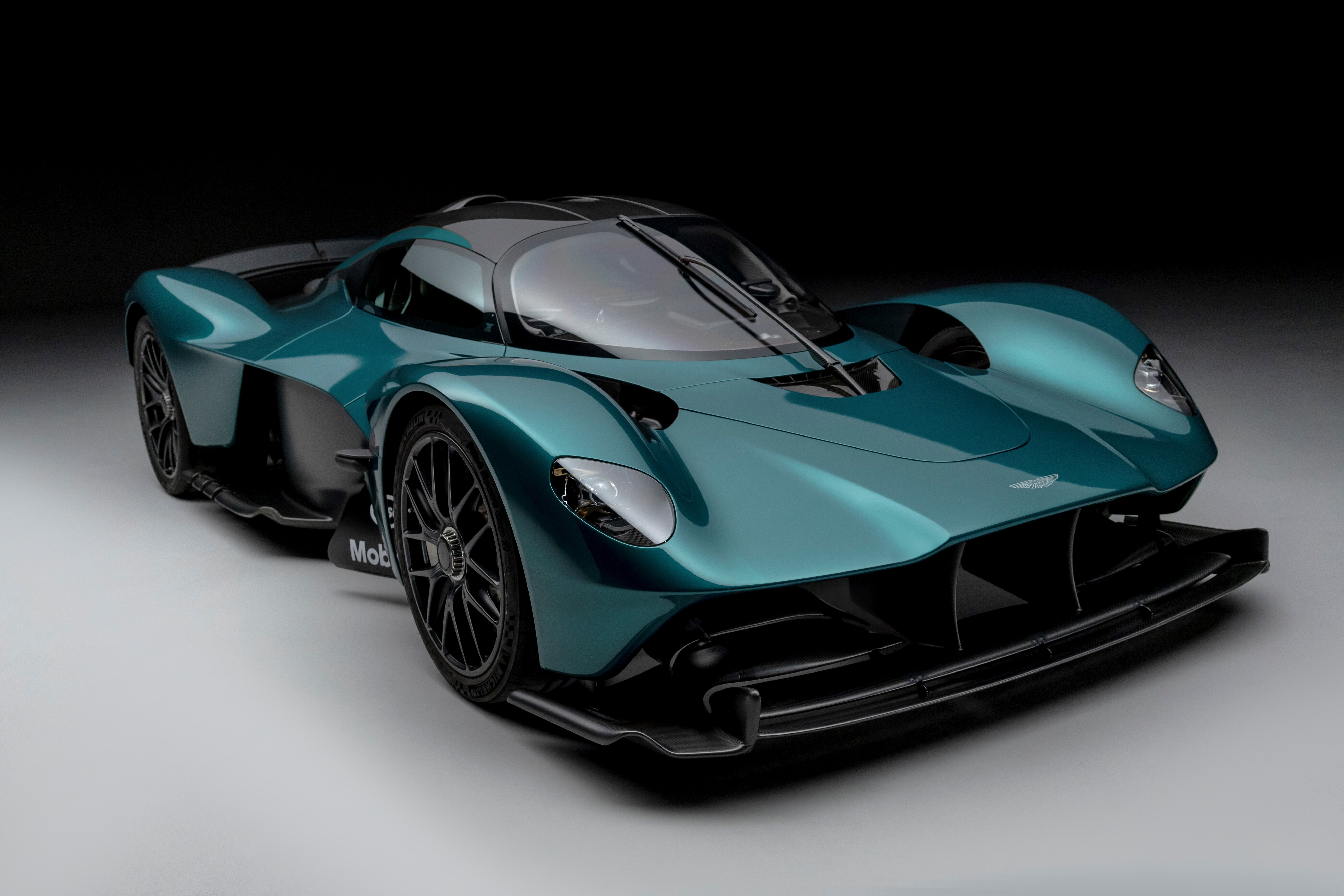
Look at the Aston Martin Valkyrie.
It is almost impossible to separate the way it looks from what the engineers wanted the air to do.
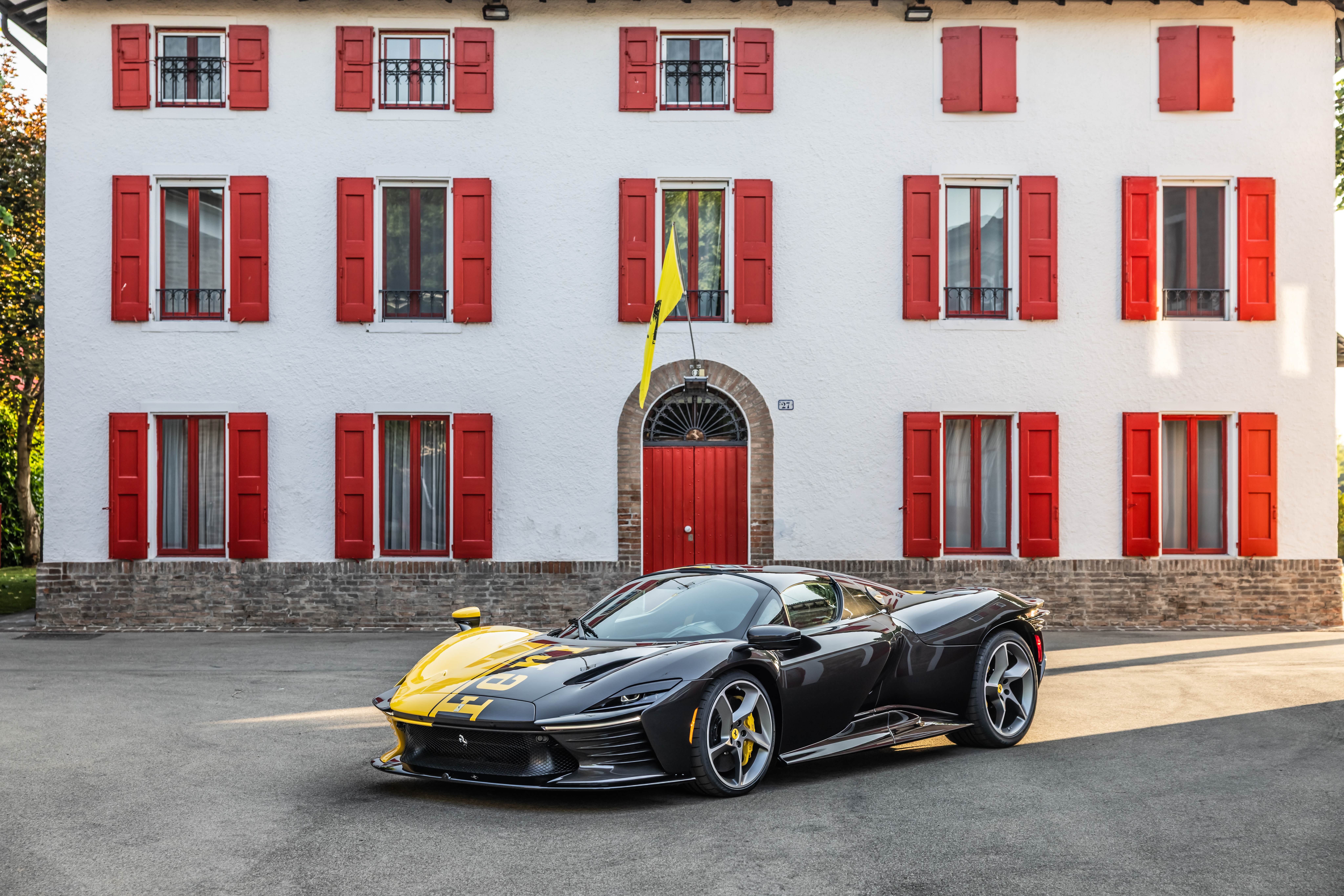
Then look at Ferrari's Icona series.
The Monza SP1 and SP2. The Daytona SP3. Whatever comes next.
And funnily enough, not just big manufacturers, but smaller niche companies are contributing to this too! By the way, these supposedly niche companies aren't necessarily random outsiders who woke up one morning and decided to build an expensive car.
They are often the people who helped make the mainstream cars interesting in the first place.
Take Gordon Murray.
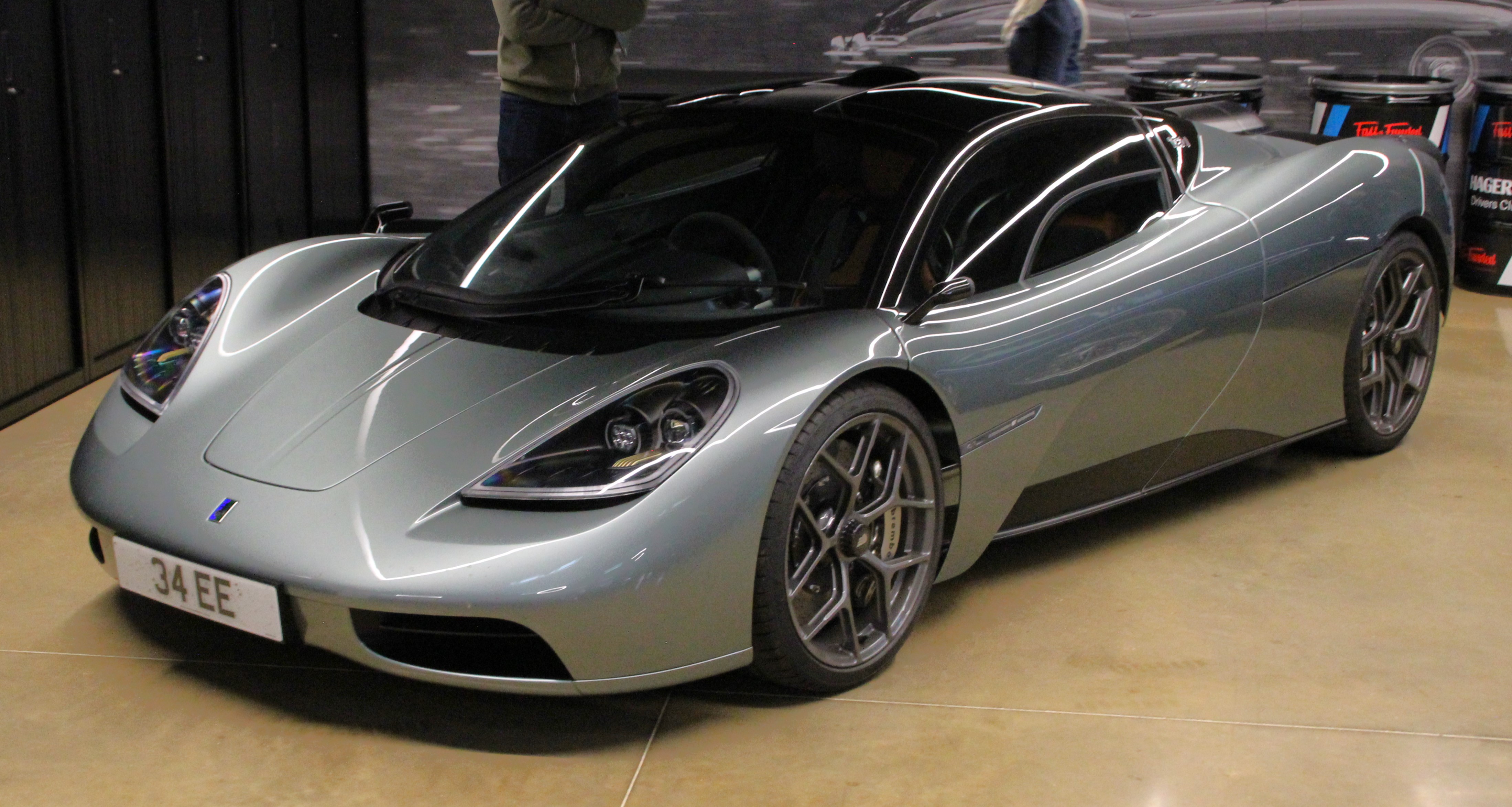
Before Gordon Murray Automotive existed, Murray had already given us the McLaren F1. He had spent decades working at the highest levels of motorsport and automotive engineering designing cars. Then he got to build one under his own name.
The T.50.
And Mr. Murray is not alone.
Lanzante is another fascinating example because its history is already intertwined with some of the most extraordinary McLarens ever made. It ran the McLaren F1 GTR that won Le Mans in 1995 and went on to become known for racing, developing and road-converting some of the world's most iconic cars.
Then, after decades of doing that, Lanzante eventually decided to build something that didn't start life as somebody else's car.
The 95-59.
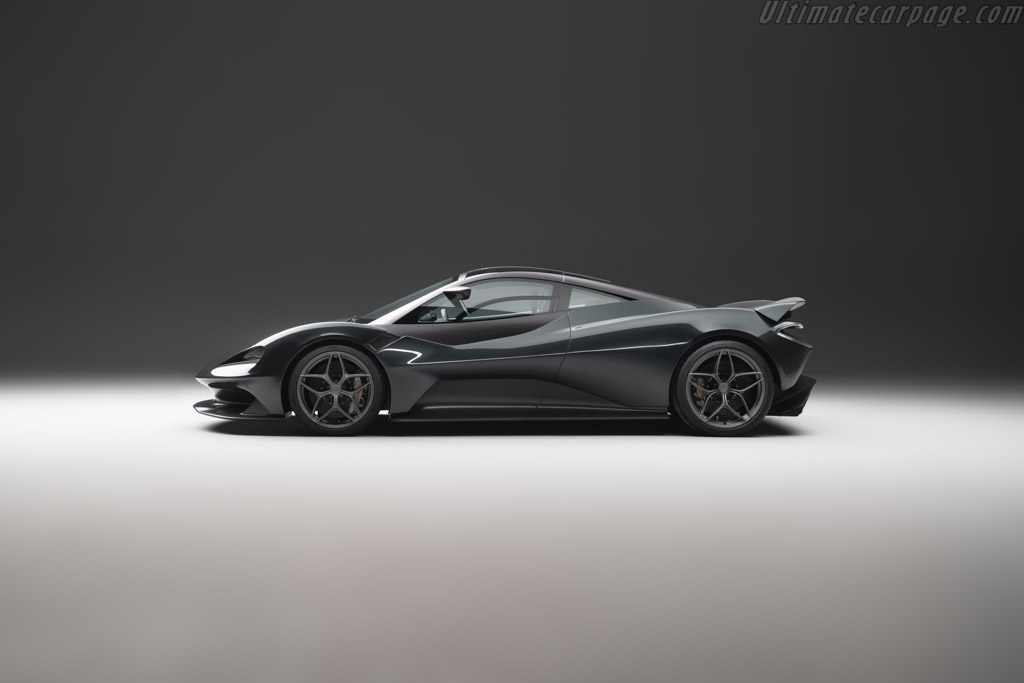
A genuine three-seater with the driver at the centre, and a name that itself looks backwards to move forwards: 95 for the year Lanzante won Le Mans and 59 for the race number of the winning car. Lanzante calls it a distillation of everything it has learnt over three decades of racing, road-converting, developing, building and engineering cars.
And then you have BRABUS, which perhaps makes that transition even more obvious. They built their reputation by taking Mercedes-Benz cars and turning everything up.
But look at where that philosophy eventually takes you. At some point, “let's modify the car” becomes: “What if we just built the damn thing ourselves?”
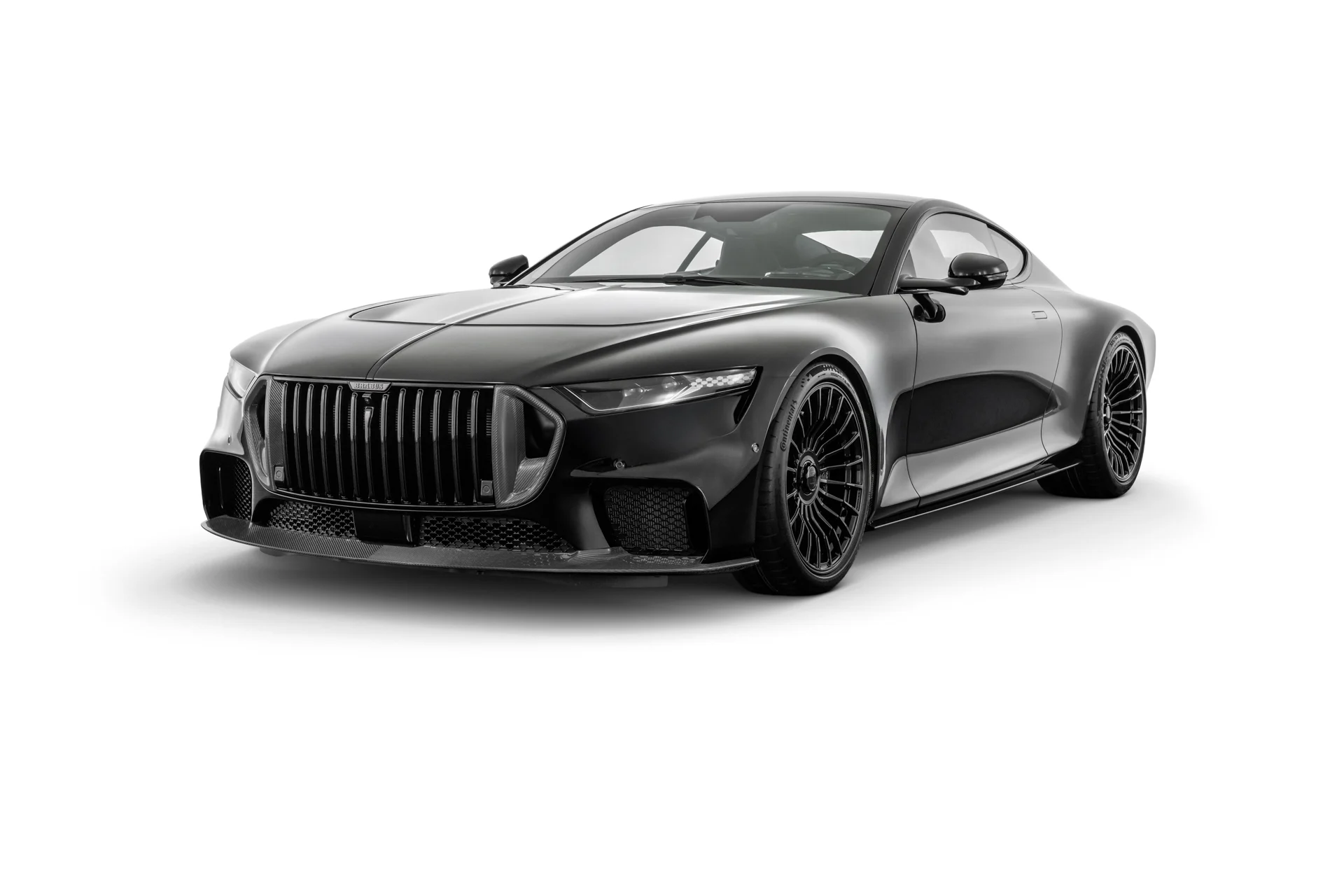
The BODO is a step towards that.
Eccentrica is another example. They looked at the Lamborghini Diablo and, rather than treating it as a piece of history that should be left untouched, effectively asked: “What if this car had another thirty years of development?”
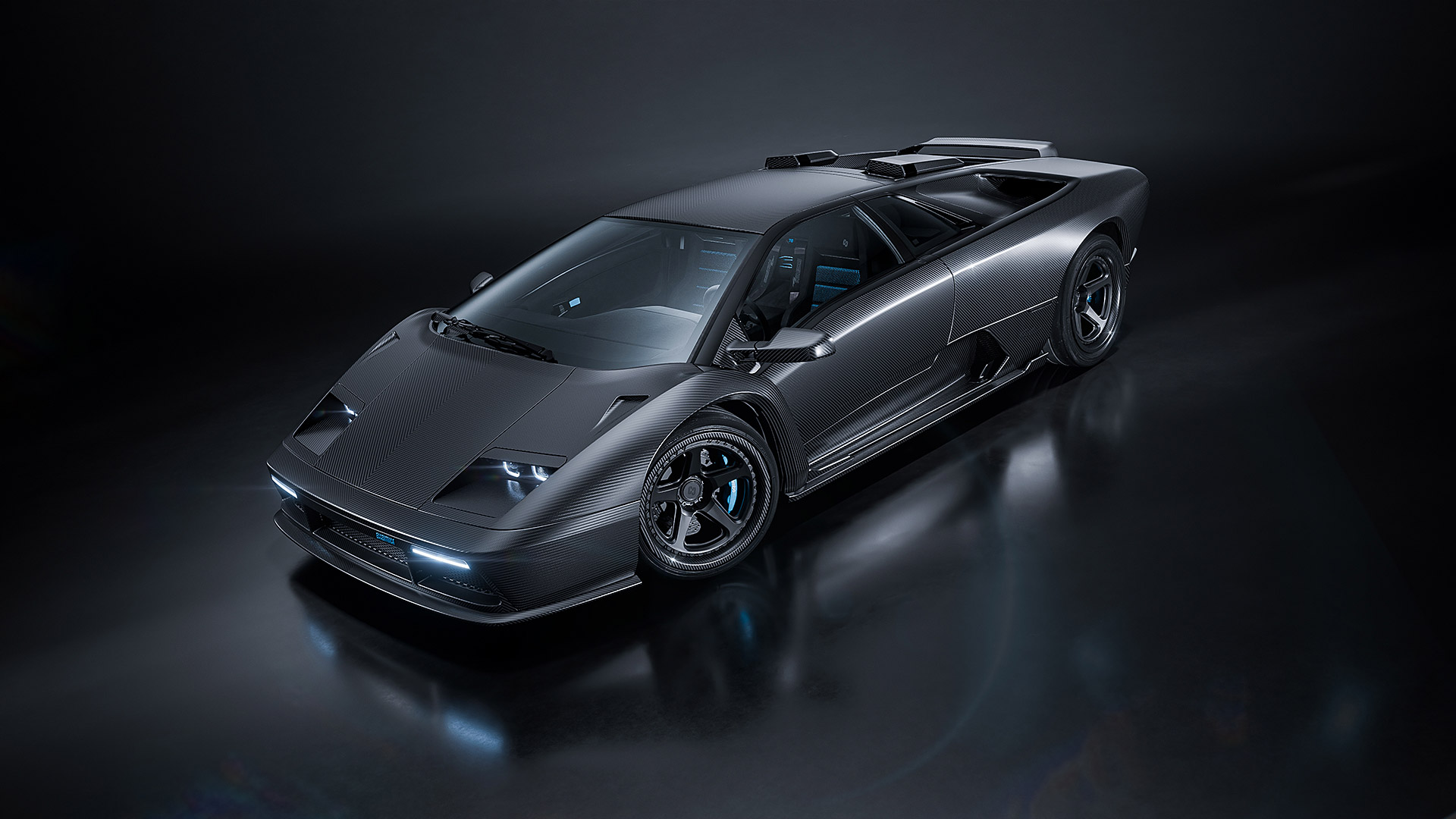
Its V12 Coupe and Roadster, for example. Only 19 units of each will be built.
De Tomaso has taken a different memory and done something similar with the P72, drawing inspiration from the 1965 P70.
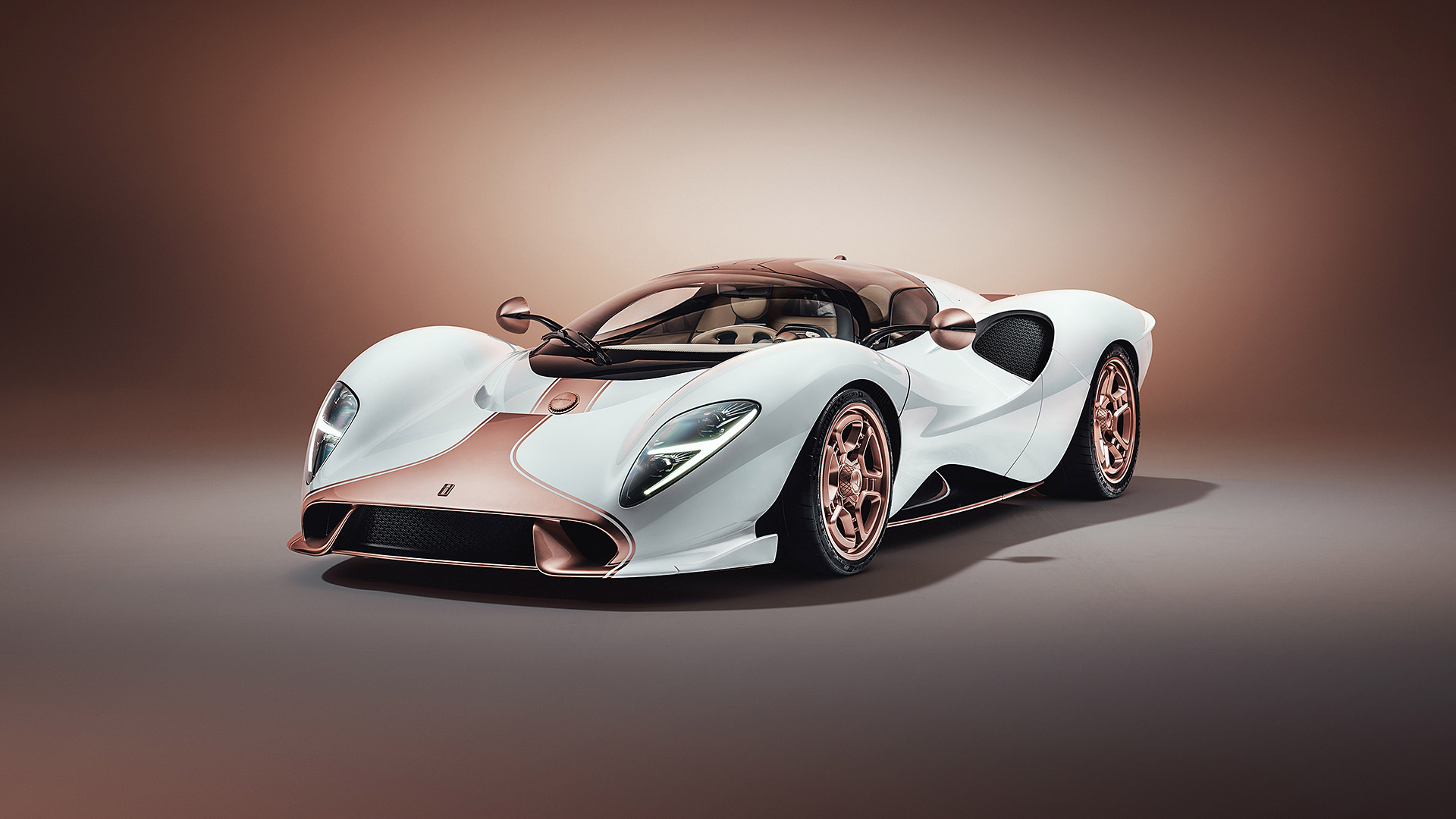
See, none of these examples essentially needed to exist. They were never trying to solve the transportation problem or being your next family car. They exist because somebody looked at what the automobiles have become and decided that there was still room for something wildly emotional.
But on the flip side, some cars built solely for transportation or to solve a need, and which still have soul, are being appreciated too! A few JDM cars, like the Nissan GT-R and Mitsubishi Evo VIII, for example.
So where do we go from here? Argue against progress? I don't think so, because even the future can be art!
Automobiles have always been a product of progress. The internal-combustion engine was once progress. The assembly line, turbocharging, electronic fuel injection and carbon fibre were all progress. Today, Electric powertrains and Autonomous driving are progress.
And I am sure that every generation has looked at the transition of their time and thought the previous version of the machine was about to disappear. Maybe that is exactly what we are doing now.
We see screens replacing buttons, electric motors replacing engines, software replacing mechanical systems, efficiency replacing excess, and we think: “This is the end of art in automobiles.” But perhaps we are just too close to the transition to see what is happening.
Because progress has a funny habit.
Progress makes us believe it is destroying art, only for the next wave to arrive and make us realise it was creating art all along.
Think about what happened to the horse. The automobile didn't make the horse disappear. It made the horse unnecessary for everyday transportation. And once that happened, the horse became something else. It became sport, heritage, beauty and culture. It became something people could admire, collect and obsess over even when they had absolutely no practical reason to own one.
Maybe that's the cycle.
The horse was replaced by the car, and became exclusive. The car is being replaced by the EV, and is becoming exclusive. Perhaps the EV will eventually be replaced by whatever comes next, and it too will become exclusive.
Progress keeps replacing our machines. And every time it does, we seem to think it is destroying the art of what came before. Until the next wave arrives.